Quick answer
A product warranty covers manufacturing defects for the period stated by the manufacturer. It normally does not cover damage from incorrect installation, power surges, water ingress or misuse, so installation quality matters.
On this page: What a solar inverter warranty usually covers · Product warranty versus performance warranty · What a solar inverter warranty does not cover · How to read a solar inverter warranty card before you buy · How a warranty claim works, and checking local support · Extended cover and a worked cost example · Common mistakes to avoid · Frequently asked questions · Making your solar inverter warranty work for you
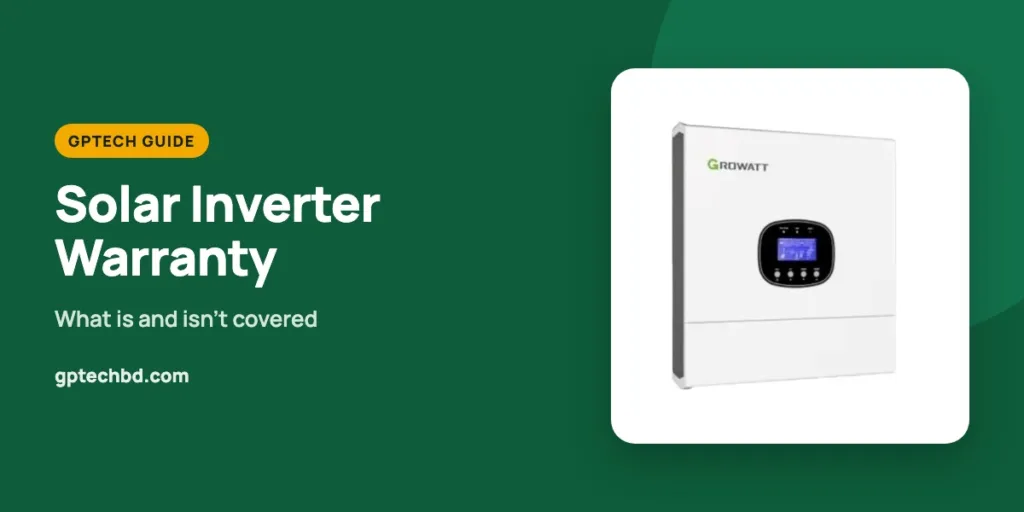
A solar inverter warranty is the manufacturer’s promise to repair or replace the inverter if it fails because of a defect in materials or workmanship within a stated period. Most brands offer somewhere between 5 and 10 years depending on the model, and some allow paid extensions, but the exact term, conditions and exclusions are written in the datasheet and warranty card, so read yours before you pay. What it does not do is cover every possible problem: lightning, flooding, physical damage and poor installation are commonly excluded.
The inverter is the brain of your solar system. It turns the direct current (DC) from your panels into the alternating current (AC) your lights, fans and machines use, and in a hybrid system it also manages the battery. When it stops, your whole system stops. That is why its solar inverter warranty deserves more attention than most buyers give it. In this guide we explain what is usually covered and what is not, how to read a warranty card, what to do when something goes wrong, how to judge the local support behind a brand, and what to ask before buying an extended plan.
A quick caution: warranty terms differ between brands, models and even production batches, and they can change over time. Nothing here replaces the document that came with your product, and we flag the points where you should check with the manufacturer or your supplier.
What a solar inverter warranty usually covers
Think of a solar inverter warranty as protection against the inverter being badly made, not against everything that can happen to it afterwards. In plain terms, it normally promises that if the unit develops a fault because of a manufacturing defect, the maker will fix it or give you a replacement.
Typical covered situations
- The unit will not switch on, or switches itself off repeatedly, with no external cause.
- A component such as a control board, display, fan or power stage fails during normal use.
- A firmware or hardware fault that prevents the inverter from meeting its specified performance.
- Early failure of the unit under correct conditions and within the stated period.
Warranty terms for the same brand can differ by model and by region, so a friend’s 10-year term does not automatically apply to your unit. If you want a plain description of what an inverter does and the different types, the solar inverter article gives the background.
Repair or replace under a solar inverter warranty
Most warranties give the manufacturer the choice to repair the unit or replace it, often with a new or refurbished one of the same or an equivalent model. The replacement normally carries the remainder of the original warranty, not a fresh term, though policies differ. Ask for this to be stated in writing.
What is often not included even when a unit is faulty
A fault being covered does not always mean every cost is covered. Many warranties pay for the part, not for the technician’s visit, transport of a heavy unit, removal and refitting, or the electricity you lose while the system is down. Read the clause on labour and shipping carefully, since for a big three-phase inverter those can be real expenses.
Product warranty versus performance warranty
People often mix up two different promises. The product warranty (sometimes called the equipment or manufacturer warranty) covers defects in the device itself. The performance warranty promises that the equipment will still deliver a certain level of output after some years.
Solar panels are the classic example. A panel typically has a product warranty against defects and a separate, longer performance warranty that says its output will not fall below a stated percentage of the original rating after a stated number of years. Inverters, by contrast, mostly carry a product warranty only, because they do not degrade gradually like panels; they work or they fail.
Your system has several warranties, not one
This catches many households out. A solar installation can have separate warranties for each part:
| Component | What the warranty usually addresses | Typical length |
|---|---|---|
| Inverter | Manufacturing defects in the electronics | Varies by brand and model, often 5 to 10 years, sometimes extendable |
| Solar panels | Product defects plus a long performance guarantee | Product and performance terms are separate, check the datasheet |
| Lithium battery | Defects and usable capacity or cycle count | Often tied to years or cycles, read the card |
| Installation work | Workmanship, cabling, mounting, leaks | Set by the installer or supplier |
If your inverter fails, your panel and battery warranties are not affected, and the reverse. When you compare quotations, make a small table like this for each offer. A good price with a vague warranty is not really a good price. You can browse solar inverters and lithium batteries and compare the terms listed for each product.
What a solar inverter warranty does not cover
This part of any solar inverter warranty matters most when a claim is made. Almost every manufacturer lists exclusions, and they are fairly similar from brand to brand. Understanding them helps you avoid voiding your own cover.
Common exclusions
- Lightning and power surges. A strike near your building or a large grid surge can destroy electronics. This is typically treated as an external event, not a defect. Surge protection devices on the DC and AC sides, and a proper earthing system, are your defence.
- Flood and water ingress. Inverters have an ingress protection (IP) rating, but a unit installed where water can pool, drip or blow in during monsoon rain is vulnerable. Water damage is usually excluded.
- Physical damage. Drops during transport, impacts, crushed cables and similar damage.
- Wrong installation. Poor wiring, loose terminals, wrong cable sizes, missing earthing or installation by someone without the manufacturer’s required qualification.
- Unauthorised repair or opening the unit. If someone other than an approved service agent opens the case, fits non-genuine parts or modifies it, the warranty may end.
- Wrong battery settings. Setting the incorrect battery type, voltage or charge limits in a hybrid system can harm the battery and the inverter.
- Overload and misuse. Connecting more panels or load than the inverter is designed for, or operating outside its stated voltage and temperature limits.
- Dust, insects and corrosion. Ants and cockroaches in the terminals, thick dust blocking cooling, or salty, humid air corroding contacts. Coastal areas need extra care.
- Missing or altered serial numbers. A warranty rests on the serial number. If it is removed, scratched or tampered with, the maker can refuse.
Why these exclusions are not just fine print
Bangladesh has intense thunderstorms, heavy monsoon rain, humidity, dust and unstable grid voltage. Those are exactly the conditions behind many failures. A shrewd owner treats the exclusion list as a checklist of site preparation. Mount the inverter in a shaded, dry, ventilated place off the floor. Fit surge protection. Seal conduit entries against insects. Keep the vents clear. And ask your installer, in writing, how each of these will be handled.
Rule of thumb: the warranty covers the inverter’s mistakes, not the environment’s or the installer’s.
Grid-side problems deserve a mention too. In some areas the voltage swings widely or the grid supplies a poor waveform. Inverters are designed to disconnect in those cases, and that is normal protective behaviour, not a defect. But a severe overvoltage that goes beyond the unit’s rating can still damage it and be excluded. If your supply is poor, speak to your supplier before choosing a model.
How to read a solar inverter warranty card before you buy
Do this check before payment, not after a failure. It takes ten minutes and may save you months of argument.
- Find the warranty period and its start date. Does it begin on the invoice date, the commissioning date or the manufacturing date? These can differ by months.
- Confirm the model and region. Make sure the document matches the exact model number you are buying, and that the product is meant for the Bangladesh market.
- Check who gives the warranty. Is it the global manufacturer, a local distributor or the seller? This decides who you call.
- Read the exclusions list and compare it with the list above. Ask about anything unusual.
- Look at the claim process. Do you send the unit away, or does a technician come to site? Who pays for transport and labour?
- Look for installer requirements. Some warranties require installation by a certified or trained installer, plus a registration step.
- Ask about replacement terms. Does the replacement get the remaining warranty or a new one?
- Get everything on the invoice. The invoice should list the model, serial number and date, and carry the seller’s details.
Why installer certification matters
Many manufacturers want their products fitted by someone who has completed their training or who works with an authorised partner. If an uncertified person installs your inverter and something later fails, the maker can point to the installation as the cause. Before you hire, ask the installer to show their training or authorisation, and ask what the workmanship warranty is. You can read how GPTECH handles site work on the installation and site survey page.
Keep your paperwork
A small folder, paper or phone photos, is all you need. Keep the invoice, the warranty card, photos of the inverter label showing the serial number, the commissioning report, and any registration confirmation. Also photograph the installation, including the earthing, surge protectors and mounting location, as proof it was done well. When you need to claim, this folder makes the process quick.
How a warranty claim works, and checking local support
Every brand differs in the details, but most claims follow the same outline. The common name for the replacement process is RMA, which stands for return merchandise authorisation. It is simply a case number that lets the maker track your faulty unit.
A typical claim, step by step
- Note the symptoms. Write down the error code on the display or app, the time, the weather and what you were doing. Take photos or a short video.
- Do not open the unit or try a repair. That can void the warranty.
- Contact your seller or the authorised service centre with the invoice, serial number and fault details.
- Remote diagnosis. Often a technician will check settings, firmware and wiring by phone or through the monitoring platform. Many reported faults turn out to be settings, loose connections or grid issues.
- Inspection or RMA. If the fault is real, the service team either visits or authorises the return of the unit.
- Repair or replacement, followed by reinstallation and a test of the system.
The time this takes depends on stock, shipping and the brand’s local service setup. Ask your supplier what is typical and whether a standby or loan unit is possible for larger systems. Also note that heavy or three-phase inverters may need two people to remove, so ask who arranges that.
Judging the support network in Bangladesh
A solar inverter warranty is only as good as the people who honour it. A 10-year promise from a brand with nobody to call in your country is worth far less than a 5-year promise from a brand with a responsive local team and spare units on the shelf. Before you buy, try these checks:
- Ask the seller where the nearest authorised service point is and who staffs it.
- Ask how many units of that model they have installed locally, and whether they hold spares.
- Ask whether technicians are trained by the manufacturer.
- Check that the monitoring app and firmware updates work in Bangladesh.
- Talk to a business owner in your area who has used the same brand for a few years.
Well-established inverter makers sold in Bangladesh include Deye and Huawei, along with Growatt and SolaX, all of which GPTECH stocks. Our inverter brand comparison looks at features, while the support question is best asked of your supplier directly.
Registering your product for solar inverter warranty cover
Some manufacturers ask you, or your installer, to register the inverter online with its serial number and installation date, sometimes in order to activate the full warranty or an extension. If registration is required, do it within the stated time and keep the confirmation. If you are not sure, ask your supplier whether your model needs it.
Extended cover and a worked cost example
Some brands and sellers offer an extended solar inverter warranty for an extra fee, stretching the term by several years. Whether it is worth buying depends on the price, the terms and how long you plan to use the system.
Questions to ask before buying an extension
- Does the extension have the same coverage as the base warranty, or does it cut some items?
- Does it include labour and transport, or parts only?
- Who provides it: the maker, the distributor or a third-party insurer? Who pays if that company closes?
- Does it need to be bought within a set time after purchase?
- Is it transferable if you sell the building?
- Are there service conditions, such as annual inspections, that you must meet?
Worked example: cost per year of cover
The prices below are invented round numbers for teaching. They are not real prices. Use your own quotation.
Suppose a hybrid inverter costs BDT 100,000 with a 5-year warranty, and an extension to 10 years costs BDT 15,000 extra.
- Without extension: 100,000 / 5 years = BDT 20,000 per year of cover.
- With extension: (100,000 + 15,000) / 10 years = 115,000 / 10 = BDT 11,500 per year of cover.
Looking only at that arithmetic, the extension seems like good value, because the extra 15,000 buys five more years. But the arithmetic hides the real question: how likely is a failure, and what would it cost you? If a repair out of warranty would cost, say, BDT 40,000 and there is a modest chance of it happening in years 6 to 10, then the expected cost is below the fee, and the extension is a judgement call. Yet if the inverter powers a shop that loses BDT 5,000 for each day of downtime, a few days offline add up quickly, and a plan with fast replacement is worth more. Think in terms of your own risk, not the sticker price alone.
| Factor | Favours buying an extension | Favours skipping it |
|---|---|---|
| How long you will keep the system | 10 years or more | You may sell or upgrade soon |
| Cost of downtime | Business use, fridge or medical loads | Backup only, short outages acceptable |
| Extension terms | Includes labour, transport and replacement | Parts only, many conditions |
| Local support | Strong authorised service nearby | Weak or unclear support |
Cover also depends on how you use the product, and the battery has its own terms separate from your solar inverter warranty. For batteries, see our guide on sizing a battery for your backup hours, because an undersized battery used too hard can shorten its life, and warranty terms for batteries usually refer to cycle count and remaining capacity.
Common mistakes to avoid
- Assuming a long solar inverter warranty means total protection. It covers defects, not lightning, floods or bad wiring.
- Not keeping the invoice and serial number. Without them, a claim can stall.
- Choosing an installer on price only. A cheap, untrained installer can quietly void your cover.
- Skipping surge protection and earthing. These cost little next to the unit they protect.
- Opening the inverter or letting a local mechanic fix it. Unapproved repairs are a common reason for refused claims.
- Setting batteries wrongly. Use the battery maker’s recommended parameters, and have them recorded at commissioning.
- Mounting in a bad spot. Direct sun, wet walls, dusty corners and ant paths shorten life.
- Ignoring the monitoring alerts. A warning left for weeks can grow into a failure.
- Not asking who gives the warranty. You should know exactly who to call, and how long they take to answer.
- Treating the extension as automatic. Read it, price it and compare it, as in the example above.
Frequently asked questions
How long is the warranty on a solar inverter?
It varies by brand and model, with many falling roughly between 5 and 10 years and some offering paid extensions. Always check the datasheet and the warranty card for your exact model, and make sure the start date is clear.
Does a solar inverter warranty cover lightning damage?
Usually not. Lightning and surge damage are normally listed as exclusions because they come from outside the product. Proper earthing and surge protection devices are the best protection, and some owners also consider separate insurance.
What happens if my inverter fails during the warranty period?
Contact your seller or the authorised service centre with the invoice and serial number. After remote checks, the unit is either repaired on site or replaced through an RMA. Do not open it yourself.
Is the battery covered by the inverter warranty?
No. The battery has its own warranty, normally based on years and sometimes cycles or remaining capacity. The same is true of the panels. Each part has its own terms.
Will the warranty be void if a local technician installs my inverter?
It can be, if the manufacturer requires certified installation or if the work causes the fault. Ask your supplier what the warranty demands, and keep proof of who installed it and how.
Can I transfer the warranty if I sell my house or shop?
Some warranties are transferable to the new owner and some are not. Check the wording, and keep the paperwork so that you can pass it on.
Is an extended solar inverter warranty worth it?
It can be, especially for businesses that lose money when the system is down and for owners who will keep the system for 10 years or more. Compare the price, the coverage of labour and shipping and the quality of local support before deciding. Our FAQ page has more on common questions.
How do I claim if I lost the invoice?
Contact your seller first. Their records may let them confirm your purchase from the serial number. This is why it is wise to photograph the invoice and the unit label on the day of installation.
Making your solar inverter warranty work for you
A solar inverter warranty is only as good as your preparation: know the term and conditions, avoid the common exclusions with sound installation and protection, keep your invoice and serial number safe, and choose a brand and a seller with real local support. Do those four things and a claim, if you ever need one, is usually straightforward.
If you would like help comparing models or reading a warranty card, call GPTECH on +880 1712-567878 or message us on WhatsApp for a free site survey and quotation. We supply genuine, warranty-backed products with delivery across Bangladesh, and our own warranty page explains how we handle claims. You can also write to us through the contact page.
Frequently asked questions
What does a product warranty cover?
It covers defects in materials and workmanship for the stated period, usually repair or replacement as defined by the manufacturer.
What is usually excluded?
Damage from incorrect installation, overload, lightning or surges, water entering the unit, unauthorised repairs and physical damage.
Is the panel warranty different?
Panels often carry two warranties: a product warranty against defects and a performance warranty that guarantees a minimum output over many years. Read the datasheet for the terms.
What should I keep?
Keep the invoice, serial number and installation record, as they are normally needed for a claim.
Related products
-
SolaX
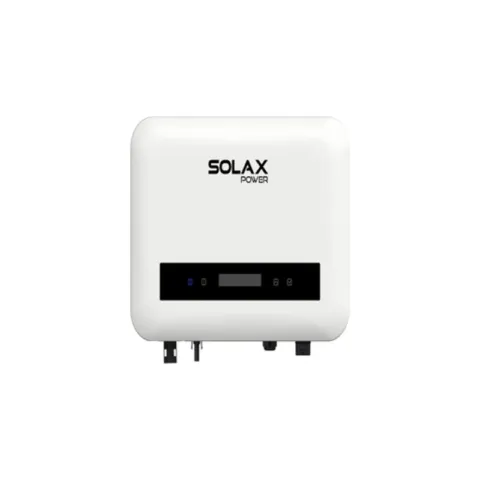
SolaX 5kW Single Phase On-Grid Solar Inverter (X1-MINI-5K-G4-P)
৳33,000 In stock -
SolaX
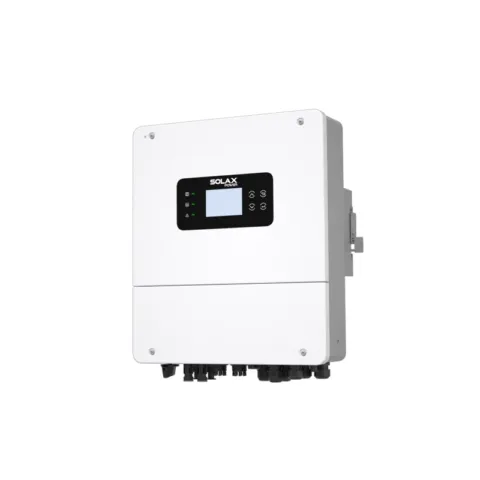
SolaX 3kW Single Phase Low Voltage Hybrid Solar Inverter
৳100,100 In stock -
SolaX
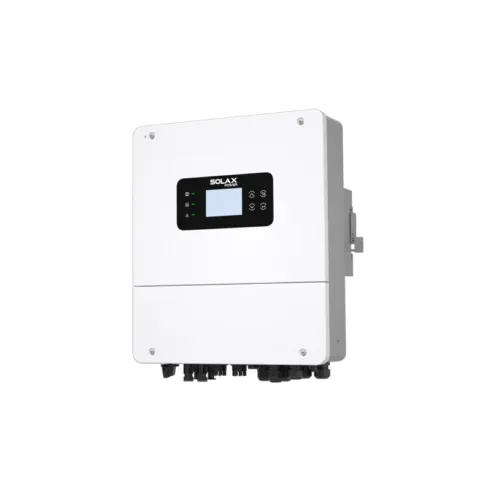
SolaX 5kW Single Phase Low Voltage Hybrid Solar Inverter (SREDA approved)
৳121,000 In stock -
SolaX
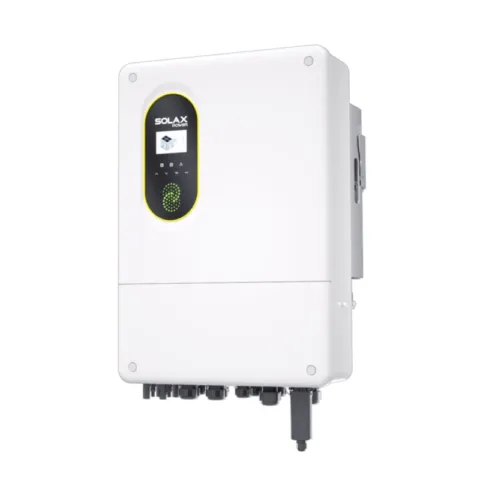
SolaX 10kW Three Phase Low Voltage Hybrid Solar Inverter
৳242,000 In stock