On this page: Quick answer · Price per watt · Price by brand · Small panels · Mono, bifacial and N-type · How many panels you need · Reading a datasheet · Genuine or fake · What moves prices · Warranties · Full system cost · Buying tips · FAQ
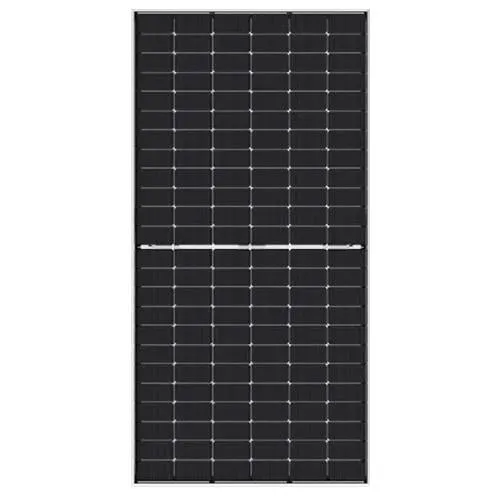
The solar panel price in Bangladesh today works out to roughly ৳18 to ৳19 per watt for a large, branded N-type or mono panel from makers such as LONGi, Jinko, JA Solar, Canadian Solar, Trina and Astronergy. A 620W panel costs about ৳12,276, and a 720W bifacial panel about ৳14,256. Small panels for home and shop lighting systems start at ৳792 for 30W.
Those numbers are a useful anchor, but price per watt is only part of the story. The right panel for a Dhaka rooftop depends on how much space you have, which inverter you are pairing it with, and whether you want the extra yield a bifacial panel can give on a light-coloured roof. This guide covers current prices from our shop, how to compare them fairly, and how to avoid the problems that turn a cheap panel into an expensive one. Prices in the tables update automatically from our shop.
Solar panel price in Bangladesh: quick answer
| Panel size | Example | Price |
|---|---|---|
| 30W–200W (small systems) | Genetic Solar 100W | ৳2,640 |
| 300W–350W | High Voltage 350W Mono | ৳6,171 |
| 550W–590W | Astronergy 590W N-type Bifacial | ৳12,007 |
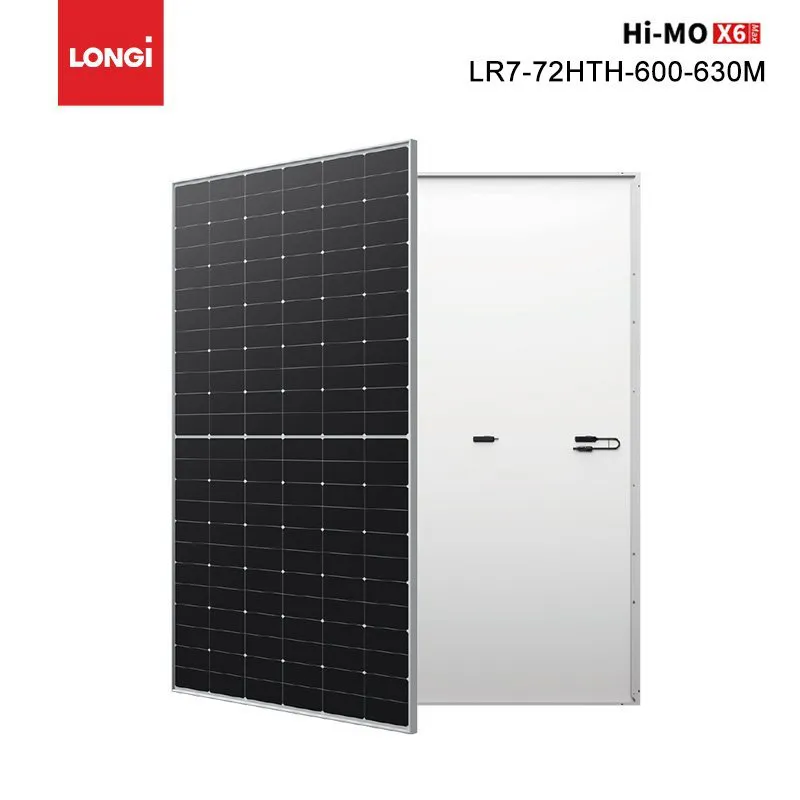
| 615W–640W | LONGi 615W Mono | ৳12,177 |
| 700W–750W | Jinko 750W Bifacial | ৳14,850 |
For most homes and businesses installing a new rooftop system in 2026, the 600W to 720W class gives the best balance of price per watt, installation cost and roof space. You can browse all 50-plus models on our solar panels page.
Why price per watt is the fair comparison
Comparing a 550W panel with a 720W panel by sticker price tells you very little. Divide the price by the wattage instead. That gives you the cost of each watt of generating capacity, and it lets you compare any two panels on equal terms.
Take two examples from our current list. The LONGi 615W mono panel at ৳12,177 works out to about ৳18 per watt. A small 100W panel at ৳2,640 works out to about ৳24 per watt. Small panels always cost more per watt, because the frame, glass, junction box and handling cost almost the same whatever the size.
Price per watt is not the whole picture, though. Bigger panels also mean fewer mounting clamps, fewer cable connections and less labour per kilowatt, so the saving on a complete system is usually larger than the panel price alone suggests. The limit is physical: a 720W panel is about 2.4 metres long and weighs over 35 kg, so it needs a proper structure and two people to lift it safely.
Solar panel price by brand
All of the following are tier-one manufacturers whose panels are widely used around the world. The differences between them at the same wattage are small; what matters more is buying a genuine panel from a seller who can support the warranty.
| Brand and model | Watts | Type | Price |
|---|---|---|---|
| LONGi LR8-66HGD-615M | 615W | Mono | ৳12,177 |
| LONGi LR8-66HGD-620M | 620W | Mono | ৳12,276 |
| Jinko JKM620N-78HL4-BDV | 620W | N-type bifacial, dual glass | ৳12,276 |
| JA Solar JAM72D40-625/GB | 625W | N-type bifacial, double glass | ৳12,375 |
| Canadian Solar CS6.2-66TB-625H | 625W | N-type bifacial | ৳12,719 |
| Astronergy CHSM78N-630 | 630W | N-type bifacial | ৳12,821 |
| Trina Solar 710W | 710W | Mono | ৳14,058 |
| Canadian Solar CS7N-700TB-AG | 700W | N-type bifacial | ৳14,245 |
| Jinko JKM720N-66HL5-BDV | 720W | N-type bifacial, dual glass | ৳14,256 |
| Astronergy CHSM66N-725 | 725W | N-type bifacial | ৳14,754 |
| Jinko JKM750N-66HL5-BDV | 750W | N-type bifacial, dual glass | ৳14,850 |
A few practical notes from our installations:
- LONGi and Trina mono panels are a dependable, slightly cheaper choice for tin-shed and dark roofs where a bifacial panel’s rear side gains little.
- Jinko, JA Solar and Canadian Solar N-type bifacial panels make sense on flat, light-coloured concrete roofs and raised structures where reflected light reaches the back of the panel.
- Astronergy often comes in a little cheaper per watt at the 700W-plus sizes and is a good value pick for larger commercial jobs.
Small solar panel prices for home and shop systems
Not everyone needs a rooftop power plant. Small panels power DC lighting, charge batteries for small off-grid inverters, run security cameras and keep shop lights on in areas with frequent outages. For these jobs we stock the Genetic Solar poly-crystalline range:
| Panel | Price | Common use |
|---|---|---|
| Genetic Solar 30W | ৳792 | Single light, phone charging, CCTV camera |
| Genetic Solar 50W | ৳1,320 | Two to three DC lights and a fan |
| Genetic Solar 100W | ৳2,640 | Small shop lights, 12V battery charging |
| Genetic Solar 150W | ৳3,960 | Home lighting system with fan |
| Genetic Solar 200W | ৳5,280 | Larger home lighting system |
| Genetic Solar 300W | ৳7,920 | Off-grid inverter charging |
Poly-crystalline panels are a little less efficient than mono panels, so they take more roof area per watt. For small systems where space is not tight, that hardly matters and the lower price wins.
Mono, bifacial and N-type: what the labels mean
Panel names are full of jargon. Here is what actually affects your system:
Mono vs poly
Monocrystalline cells are cut from a single crystal of silicon and convert more sunlight into electricity, usually 21 to 23 percent for current large panels. Poly-crystalline cells are made from melted fragments and are slightly less efficient. Almost all large panels sold today are mono.
P-type vs N-type
N-type cells, including the TOPCon technology used by many of the panels above, lose less power as they heat up and degrade more slowly over the years than older P-type cells. In Bangladesh’s heat, that lower temperature loss is worth having. Most new high-wattage panels are N-type.
Bifacial and dual glass
A bifacial panel collects light on both sides. The rear side picks up sunlight reflected from the roof surface beneath, which can add a meaningful share of extra energy on a white or light-grey concrete roof with the panels raised well above it. On a dark tin roof mounted close to the sheet, the gain is small. Dual-glass panels replace the plastic backsheet with glass, which makes them tougher against moisture and is why most bifacial panels are dual glass. Our comparison of mono vs bifacial TOPCon solar panels works through when the extra cost pays off.
How many panels do you need?
Start with the inverter size you are planning, then add a little extra panel capacity, because panels rarely deliver their full label rating in real heat and haze. Most installers in Bangladesh size the panel array at about 1.1 to 1.3 times the inverter rating, within the limits on the inverter’s datasheet.
| System size | 620W panels | 720W panels | Approximate roof area |
|---|---|---|---|
| 1kW | 2 | 2 | 6–7 m² |
| 3kW | 5–6 | 5 | 15–17 m² |
| 5kW | 8–10 | 7–8 | 25–28 m² |
| 10kW | 17–20 | 14–17 | 50–56 m² |
Roof area includes walking space between rows for cleaning. The exact count also depends on how the panels are wired in strings to suit the inverter’s voltage range, which is why we always check the inverter datasheet before finalising a quote. Our article on how many solar panels a 5kW system needs walks through a full example.
How to read a solar panel datasheet
Every genuine panel comes with a datasheet. Five numbers on it matter more than the rest:
- Maximum power (Pmax): the wattage under standard test conditions. This is the number in the product name.
- Module efficiency: how much of the sunlight hitting the panel becomes electricity. Higher means less roof area per watt.
- Open-circuit voltage (Voc) and maximum power voltage (Vmp): your installer needs these to design strings that suit the inverter.
- Temperature coefficient of Pmax: how much power drops for each degree above 25°C. Closer to zero is better. N-type panels usually do better here.
- Warranty: usually a product warranty of 12 to 15 years and a power output warranty of 25 to 30 years. Check the exact terms for your model.
The Wikipedia article on solar panels has more background on how these ratings are measured.
How to tell a genuine panel from a fake
Counterfeit and relabelled panels exist in the Bangladeshi market. They look fine on delivery day and lose power quickly. Protect yourself with these checks:
- Every genuine panel has a unique serial number on the label and often a barcode on the frame. Many manufacturers let you verify serial numbers on their website or through their local distributor.
- The label should match the datasheet exactly: model number, wattage, voltages and certifications.
- Weight and dimensions should match the datasheet. A “720W” panel that is noticeably lighter or smaller is a warning sign.
- Be wary of prices far below the per-watt range in this article. Genuine tier-one panels do not sell at half price.
- Ask for the invoice to show the brand, model and serial numbers. You will need this for any warranty claim.
What moves solar panel prices in Bangladesh
Customers often ask why a panel cost more or less than it did a few months ago. Almost every panel sold here is imported, so the local price follows a handful of outside factors:
- The taka-dollar exchange rate. Panels are bought in US dollars. When the taka weakens, local prices rise even if the factory price has not changed.
- Global factory prices. Panel prices from the big Chinese manufacturers have fallen a long way over the past decade, with ups and downs along the way as supply and demand shift.
- Import duty, VAT and port costs. Changes in the national budget or customs valuation feed straight into shelf prices.
- Shipment size. Importers who bring in full containers pay less per panel for freight and handling than those who buy small lots.
- Wattage class. Newer, higher-wattage models sometimes carry a premium for a few months after launch, then settle.
Because of this, a quote is usually valid for a short period. If you are planning a large system, it is sensible to confirm the price again just before ordering. The prices in this article come straight from our shop and update when our prices change.
Panel warranties: what to know before you buy
A solar panel has two warranties, and it helps to understand both before you need them.
The product warranty covers manufacturing defects such as a failed junction box, delaminating backsheet or broken frame, typically for 12 to 15 years on current tier-one panels. The performance warranty promises the panel will still produce a stated share of its rated power after a set number of years, usually 25 or 30. It does not mean the panel stops working after that; it simply defines how much decline counts as a defect.
In practice, a warranty claim needs three things: proof of purchase showing the serial number, evidence of the fault (photos, and for power loss a test by a qualified installer), and a local seller or distributor who will pass the claim to the manufacturer. Panels damaged by poor installation, flying debris or someone walking on them are not covered, which is another reason to use a careful installer and a proper structure.
Panels are only part of the system cost
On a typical home or business system, panels make up a large share of the cost but not all of it. You will also pay for:
- The inverter: on-grid, hybrid or off-grid, depending on whether you want battery backup. See our guide to on-grid vs hybrid vs off-grid inverters.
- Batteries, if you choose a hybrid or off-grid system.
- Mounting structure: galvanised or aluminium, designed for Bangladesh’s wind loads during storms.
- DC cable, MC4 connectors, breakers, surge protection and earthing. Cheap accessories cause more failures than cheap panels.
- Installation and commissioning.
For complete system budgets, our solar system price guide for 3kW, 5kW and 10kW breaks down every line.
Five buying tips from our installers
- Match the panel to the inverter, not the other way round. Pick the inverter first, then choose panels whose voltages fit its input range.
- Do not mix panel models in one string. Different wattages or voltages in the same string pull the whole string down to the weakest panel.
- Plan the roof layout before buying. Water tanks, stair rooms and neighbouring buildings cast shade that can cut output sharply.
- Buy one or two spares on big jobs. If a panel is damaged years later, an identical replacement may no longer be made.
- Keep the paperwork. Invoice, serial numbers and datasheet are what make a warranty claim possible.
Frequently asked questions
What is the price of a 600W solar panel in Bangladesh?
Panels in the 615W to 640W range cost from about ৳12,177 for a LONGi 615W mono panel to ৳12,672 for a JA Solar 640W bifacial panel in our shop. That is roughly ৳18 per watt.
Which solar panel brand is best in Bangladesh?
LONGi, Jinko, JA Solar, Canadian Solar, Trina and Astronergy are all reliable tier-one brands. At the same wattage the performance difference is small. Choose based on price per watt, the panel type that suits your roof, and a seller who will support the warranty.
Is a bifacial panel worth the extra money?
On a light-coloured flat roof with the panels raised on a structure, usually yes. On a dark tin roof with panels mounted close to the sheet, the rear-side gain is small and a mono panel is better value.
How long do solar panels last?
Quality panels carry a 25 to 30 year power output warranty and usually keep producing for longer, losing a small percentage of output each year. Inverters and batteries usually need replacing before the panels do.
How much does a 1kW solar panel set cost?
Two 600W-class panels cost about twice ৳12,177, so roughly ৳22,000 to ৳23,000 for the panels alone. Add the inverter, structure, cable and installation for a complete system.
Do solar panels work in the monsoon?
Yes, but output drops on heavily overcast days, often to a fraction of a sunny day’s output. Rain also washes dust off the panels. Annual production is what matters, and Bangladesh gets good sunshine for most of the year.
Can I buy just a few panels and add more later?
You can, if your inverter has spare input capacity and you can still get the same or a compatible panel model. Plan for this at the start so the inverter is sized for the final array.
Can I put solar panels on a tin-shed roof?
Yes. Tin sheds are common for shops and factories. The panels are fixed to rails clamped to the roof sheet or purlins. Make sure the sheet and frame are in good condition first, because replacing a roof under a solar array is expensive.
Do I need to clean my solar panels?
Dust, bird droppings and leaves reduce output, especially in the dry season. A gentle rinse with clean water and a soft brush every few weeks keeps output up. Avoid harsh chemicals and never stand on the panels.
Choosing your solar panels
The fair way to compare solar panel prices in Bangladesh is price per watt, then the panel type that suits your roof, then the warranty and the seller behind it. If you tell us your roof size, monthly bill and whether you want battery backup, we will suggest the panel and inverter combination that fits. Call +880 1712-567878 or message us on WhatsApp.