সংক্ষেপে উত্তর
In Bangladesh, face solar panels south at roughly 15 to 25 degrees, keep them out of shade, use a galvanised or aluminium structure built for storms, and use proper solar cable, MC4 connectors, surge protection and earthing.
On this page: The installation in brief · Direction · Tilt angle · Shade · Roof types · Mounting structure · Cables, breakers and earthing · Inverter and battery placement · Step by step · Cost · DIY or professional · Roof safety · 10 mistakes · Choosing an installer · Cleaning and care · FAQ
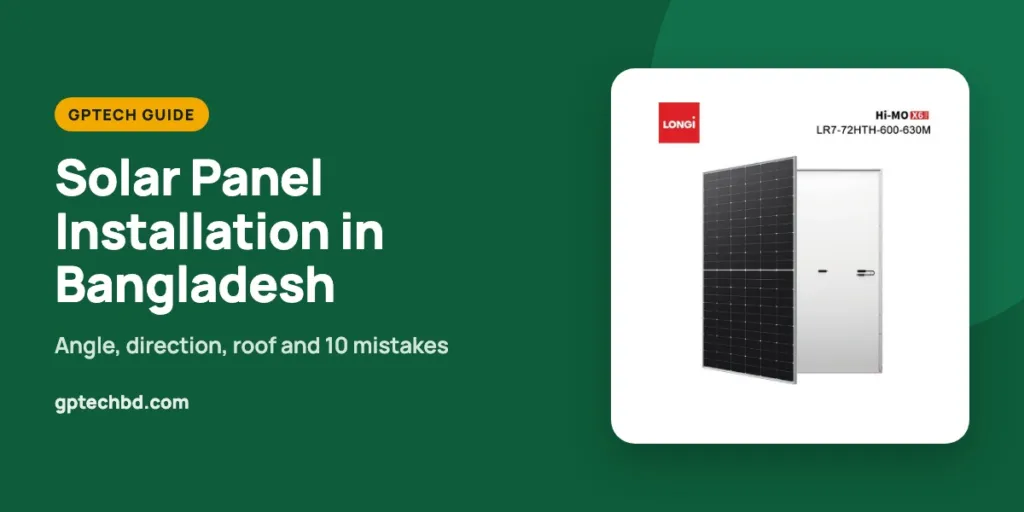
A good solar panel installation in Bangladesh comes down to a few rules: face the panels south, tilt them at roughly 15 to 25 degrees, keep them out of shade, fix them to a structure strong enough for storm winds, and use proper solar cable, connectors, breakers and earthing. Get those right and a system will produce well for decades. Get them wrong and even the best panels and inverter will underperform, or fail.
We install solar on flats, houses, shops and factory sheds across the country, and we regularly fix other people’s installations. This guide explains what a correct installation looks like, why each rule matters, and the ten mistakes we see most often, so you can brief an installer properly or check the work on your own roof.
A solar installation in brief
Every rooftop system, from a single panel to a factory plant, has the same building blocks:
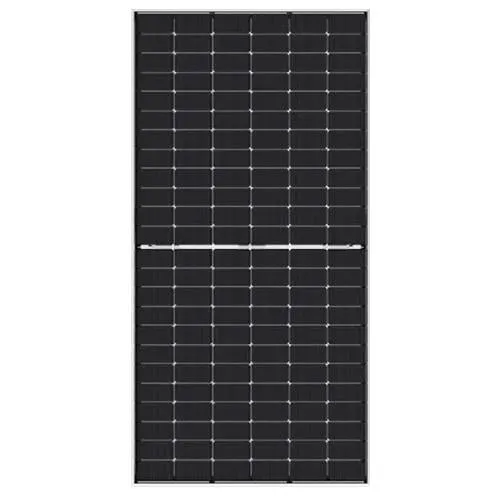
- Solar panels mounted on a structure on the roof.
- DC cabling from the panels, with MC4 connectors, running to a DC combiner or isolator.
- Protection: DC breakers or fuses, surge protection devices and earthing.
- The inverter, which turns the panels’ DC into household AC.
- Batteries for hybrid and off-grid systems.
- AC connection to your distribution board, with its own breaker, and for net metering a bidirectional meter fitted by the utility.
If you have not chosen your equipment yet, start with our guides to choosing an inverter type and how many panels you need.
Which direction should solar panels face in Bangladesh?
Bangladesh is in the northern hemisphere, so the sun travels across the southern part of the sky. Panels facing true south collect the most energy over a year. Facing slightly south-east or south-west costs only a small amount of output. Facing east or west costs more, and facing north should be avoided on anything but a very low tilt.
On Dhaka’s crowded rooftops, perfect south is not always possible. Buildings are rarely aligned exactly with the compass, and the best clear space on a roof may face another way. Use a phone compass app on the roof to check, and remember that a slightly off-south array in full sun beats a perfectly south-facing one in partial shade.
The best tilt angle for solar panels in Bangladesh
Bangladesh lies roughly between 20.5 and 26.5 degrees north. For a fixed array, the tilt that gives the most energy over a full year is usually close to the site’s latitude, slightly lower in practice because the sunny dry season counts for more than the cloudy monsoon. That gives a practical range:
| Location | Approximate latitude | Practical tilt range |
|---|---|---|
| Chattogram, Cox’s Bazar | 21–22°N | 15–22° |
| Dhaka, Khulna, Barishal | 22.5–24°N | 17–23° |
| Rajshahi, Mymensingh, Sylhet | 24–25°N | 18–25° |
| Rangpur, Dinajpur | 25.5–26.5°N | 20–26° |
A few practical points matter as much as the exact angle:
- Never install panels completely flat. A tilt of at least 10 degrees lets rain wash dust off and stops water pooling on the frame.
- Steeper tilts catch more wind. On rooftops exposed to storms, and especially in coastal districts, a lower tilt with a stronger structure is often the safer design.
- Row spacing grows with tilt. On a flat roof with several rows, steeper panels cast longer shadows, so rows must be further apart. Sometimes a slightly lower tilt lets you fit an extra row and produce more in total.
- On tin sheds, follow the roof. Mounting panels flush to a sloped tin roof avoids extra wind load, even if the slope is not ideal.
Shade: the silent output killer
Shade does far more damage than most people expect. Panels are wired in strings, and a shadow over part of one panel can drag down the output of the whole string. On Bangladeshi rooftops the usual culprits are:
- Water tanks and stair rooms on the same roof.
- Taller neighbouring buildings, especially in winter when the sun is lower.
- Satellite dishes, mobile towers, parapet walls and trees.
- Rows of panels shading each other early and late in the day.
Before deciding the layout, watch where shadows fall at around 9 am and 3 pm, ideally in winter when they are longest. If some shade is unavoidable, put those panels on a separate string or inverter input (many inverters have two MPPT inputs for exactly this), so the shaded panels do not pull down the rest.
Installing on different roof types
Flat concrete roofs
The most common roof on Bangladeshi houses and flats. Panels sit on a tilted steel or aluminium frame, either anchored to the slab with chemical anchors or held down with concrete blocks. Raising the frame high enough to walk and clean beneath is popular, as it keeps the roof usable for drying clothes and gives bifacial panels more reflected light. Any drilling into the slab must be sealed properly to prevent leaks.
Tin-shed roofs
Common on shops, warehouses and factories. Rails are fixed to the roof sheet or, better, to the purlins underneath, using clamps and fasteners with rubber washers to keep water out. Check that the sheets and frame are sound first. Replacing a rusted roof after the solar is installed means taking the whole array down.
Factory sheds and large roofs
Large industrial roofs need a structural check before installation, because hundreds of panels add a meaningful load. Access walkways, fire safety paths and cable trays should be planned from the start. Our guide to rooftop solar for factories covers industrial installations in depth, and the Gawsia Market 3 MW case study shows a large real example.
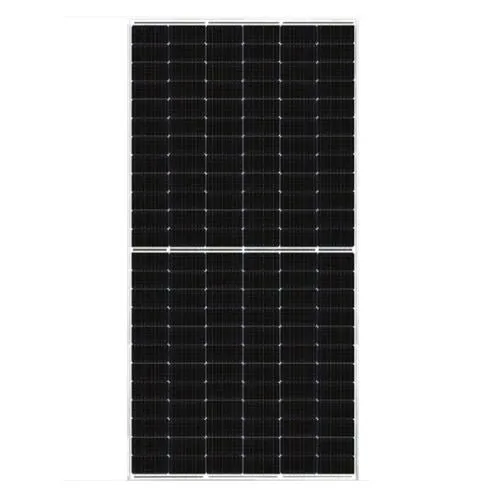
The mounting structure: built for storms
The structure is what keeps several hundred kilograms of glass on your roof through a Kalbaishakhi storm or a cyclone. It deserves as much attention as the panels:
- Material. Hot-dip galvanised steel or anodised aluminium resists rust in Bangladesh’s humid, often salty air. Painted mild steel rusts within a few years.
- Design for wind. Panels act like sails. The frame, its anchors and the clamps must be designed for strong gusts, and coastal sites need extra margin.
- Proper clamps. Use the panel maker’s recommended clamping zones on the frame. Clamping in the wrong place can crack the glass or void the warranty.
- Stainless fasteners. Cheap bolts rust and loosen. Stainless steel nuts and bolts last.
- Drainage and access. Leave room for water to drain and for people to walk safely for cleaning and maintenance.
Cables, connectors, breakers and earthing
Most solar faults we are called to are not panel or inverter failures. They are wiring problems. A safe, lasting installation uses:
- Proper solar DC cable, usually 4mm² or 6mm², with UV-resistant double insulation. Ordinary house wire degrades in the sun and is a fire risk.
- Genuine MC4 connectors, crimped with the right tool. Mixing brands of connector or using pliers instead of a crimper causes hot, failing joints.
- Cable routing in conduit or trays, clipped neatly, away from sharp edges and standing water.
- A DC isolator so the panels can be disconnected safely for maintenance.
- DC and AC breakers or fuses sized to the system.
- Surge protection devices (SPDs) on the DC and AC sides. Bangladesh has frequent lightning, and surges are a leading cause of inverter damage.
- Earthing of the structure, panel frames and inverter to a proper earth pit, tested for low resistance.
The Wikipedia article on photovoltaic systems describes these components in more general terms.
Where to put the inverter and battery
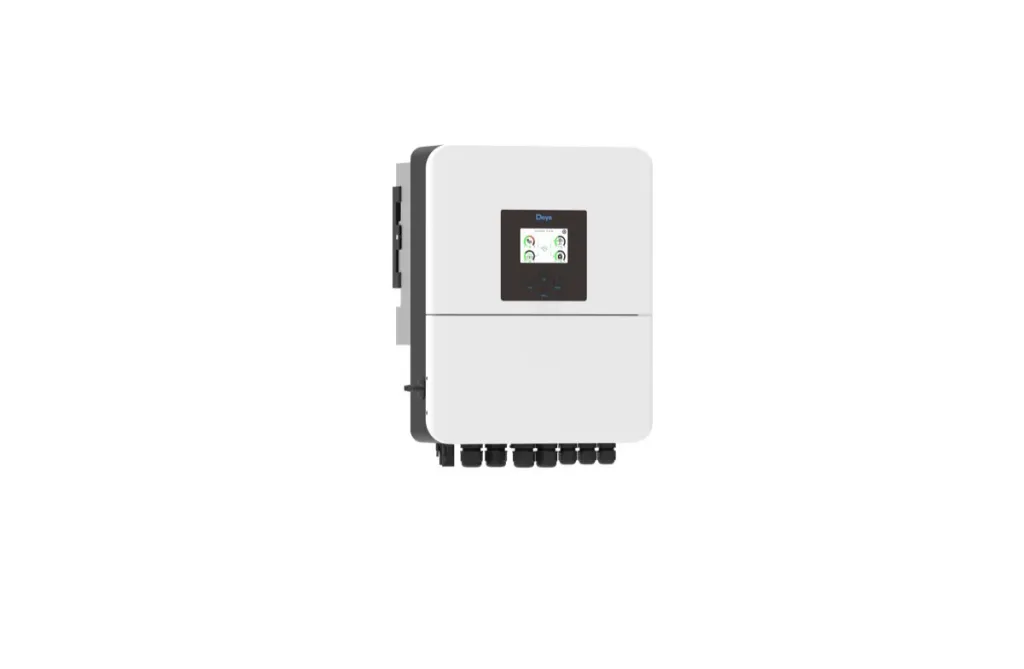
The inverter and battery should be in a shaded, dry, ventilated place, as close to each other as practical. Heat is their main enemy: an inverter on a sunny wall or a battery in a closed room under a tin roof will age much faster. Keep the cable run from the panels reasonable to limit losses, and keep children away from the equipment. For battery choices, see our lithium vs lead-acid battery guide.
Solar panel installation in Bangladesh, step by step
- Site survey: roof size, direction, shade, structure condition, electrical board and the best place for the inverter and battery.
- System design: panel layout, string wiring matched to the inverter’s voltage range, cable sizes and protection devices.
- Structure installation: frames fixed and sealed, checked for level and alignment.
- Panel mounting: panels lifted carefully, clamped in the right zones and connected string by string.
- Electrical work: DC cables to the isolator and inverter, battery connection, AC connection to the board, SPDs and earthing.
- Testing: string voltages checked before connection, insulation and earth tested, polarity confirmed.
- Commissioning: inverter settings configured for your grid and battery, monitoring app connected, and a walk-through so you know how to read it.
- Handover: warranty papers, serial numbers, a wiring diagram and maintenance advice.
What does solar installation cost?
Installation cost depends on the system size, the roof and how far the installers travel. The biggest items besides the main equipment are:
- The mounting structure, which grows with the number of panels and the height of the frame. Raised walk-under frames cost more than low frames.
- Cables, connectors and protection devices: solar cable, MC4s, isolators, breakers, SPDs and earthing.
- Labour for fixing the structure, lifting panels, wiring and commissioning.
- Extras such as roof sealing, cable trays, a separate earth pit or rewiring an old distribution board.
For a typical home system, installation and balance-of-system items add a meaningful share on top of the panels, inverter and battery. We quote these lines separately so you can see exactly what you are paying for. Our solar system price guide shows complete budgets for 3kW, 5kW and 10kW systems, and you can price the main equipment on our solar panels, solar inverters and lithium batteries pages.
Can you install solar panels yourself?
A small DC system with one panel, a charge controller and a 12V battery for lights is within reach of a handy person. A rooftop system with a hybrid or on-grid inverter is a different matter. String voltages can reach several hundred volts DC, which can cause serious injury and does not switch off simply because you flip a breaker during the day. Grid connection must meet safety rules, and net metering needs a compliant installation.
For anything beyond a small DC kit, use an experienced installer. You can still do your part: choose a sensible layout, ask the questions in this guide, and check the finished work against the points above.
Staying safe on the roof
- Work in daylight, in dry weather, and never during a storm or when lightning is likely.
- Keep children and onlookers away from the work area and from parapet edges.
- Large panels catch the wind; carry them with two people and never on a gusty day.
- Cover panels or work at dawn and dusk when connecting strings, because panels produce voltage whenever light falls on them.
- Do not step on panels, rails or fragile tin sheets; use walkways and boards.
10 solar installation mistakes to avoid
- Installing in partial shade because it was the easiest corner of the roof.
- Laying panels flat, so dust and water sit on them.
- Using painted mild steel frames that rust in a few monsoons.
- Ignoring wind load, with lightweight frames and too few anchors.
- Using ordinary house wire instead of UV-rated solar cable.
- Badly crimped or mixed MC4 connectors, the source of many hot spots and fires.
- Skipping surge protection and earthing to save a little money.
- Mixing panel models in one string, which drags output down to the weakest panel.
- Mounting the inverter in direct sun or rain.
- No handover, leaving the owner without serial numbers, settings or a contact for service.
How to choose a solar installer
The installer matters as much as the equipment. Before you sign, ask:
- Can you show me systems you installed a few years ago, and can I speak to the owners?
- Will you do a site survey and give me a written design with panel layout and string wiring?
- Which structure material, cable, connectors, SPDs and earthing will you use? Are they itemised in the quote?
- Who handles warranty claims for the panels, inverter and battery, and who comes when something goes wrong?
- Will you set up the monitoring app and show me how to read it?
A good installer welcomes these questions. Vague answers are a warning sign.
Cleaning and caring for your panels
Bangladesh’s dust, pollution and bird droppings can reduce output noticeably, especially in the dry winter months. A simple care routine keeps production up:
- Rinse the panels with clean water every two to four weeks in the dry season, early in the morning or late in the afternoon when the glass is cool.
- Use a soft brush or sponge on a long handle. No detergents, abrasive pads or pressure washers.
- Never stand or walk on panels. Even if the glass does not break, invisible cracks in the cells can form.
- Check the monitoring app now and then. A sudden drop in output on a sunny day usually means shade, dirt or a fault worth checking.
- After a big storm, look for loose panels, damaged cables or debris.
- Have a technician check connections, earthing and the inverter once a year.
Frequently asked questions
What is the best angle for solar panels in Dhaka?
Around 17 to 23 degrees, facing south, works well for Dhaka. On storm-exposed roofs a slightly lower tilt with a strong structure is a sensible trade-off.
Which direction should solar panels face in Bangladesh?
True south gives the most energy. South-east or south-west costs only a little; east or west costs more.
Can solar panels be installed on a tin roof?
Yes. Rails are fixed to the purlins or roof sheet with sealed fasteners. Check that the roof is in good condition first.
Will installing solar damage my roof?
Not when done properly. Anchors in concrete slabs and fasteners in tin sheets must be sealed against water. A raised frame also shades the roof, which can keep the top floor cooler.
How long does a solar installation take?
A typical home system takes one to two days on site after the survey and design. Large commercial systems take longer.
Do solar panels need earthing?
Yes. The structure, panel frames and inverter must be earthed, and surge protection fitted, to protect people and equipment, especially during lightning season.
How often should I clean my panels?
Every two to four weeks in the dry season is a good routine. Monsoon rain does much of the cleaning for you.
Getting your installation right
A careful installation is what turns good equipment into good savings. If you are planning a system, we can survey your roof, design the layout and install it with proper structures, cabling and protection. Call +880 1712-567878 or send photos of your roof on WhatsApp for a first assessment.
সচরাচর জিজ্ঞাসা
What is the best angle for solar panels in Dhaka?
Around 17 to 23 degrees, facing south, works well for Dhaka. On storm-exposed roofs a slightly lower tilt with a strong structure is a sensible trade-off.
Which direction should solar panels face in Bangladesh?
True south gives the most energy. South-east or south-west costs only a little; east or west costs more.
Can solar panels be installed on a tin roof?
Yes. Rails are fixed to the purlins or roof sheet with sealed fasteners. Check that the roof is in good condition first.
Will installing solar damage my roof?
Not when done properly. Anchors in concrete slabs and fasteners in tin sheets must be sealed against water. A raised frame also shades the roof, which can keep the top floor cooler.
How long does a solar installation take?
A typical home system takes one to two days on site after the survey and design. Large commercial systems take longer.
Do solar panels need earthing?
Yes. The structure, panel frames and inverter must be earthed, and surge protection fitted, to protect people and equipment, especially during lightning season.
How often should I clean my panels?
Every two to four weeks in the dry season is a good routine. Monsoon rain does much of the cleaning for you.
সংশ্লিষ্ট পণ্য
-
সোলাক্স
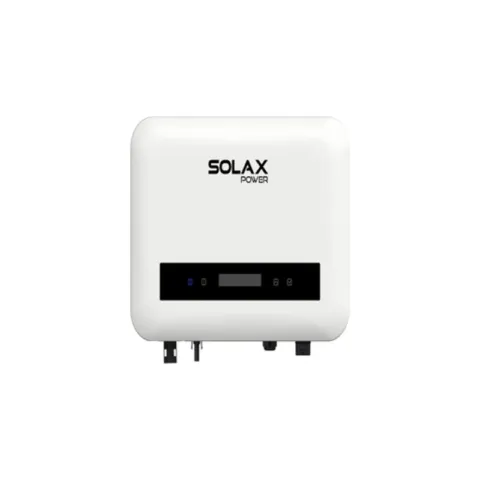
সোলাক্স ৫ কিলোওয়াট সিঙ্গেল ফেজ অন-গ্রিড সোলার ইনভার্টার (X1-MINI-5K-G4-P)
৳৩৩,০০০ স্টকে আছে -
সোলাক্স
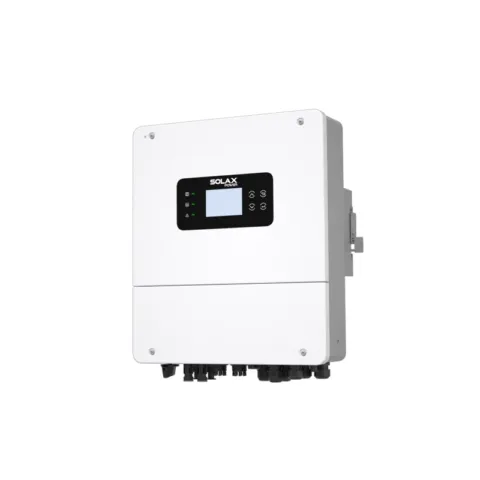
সোলাক্স ৩ কিলোওয়াট সিঙ্গেল ফেজ লো ভোল্টেজ হাইব্রিড সোলার ইনভার্টার
৳১০০,১০০ স্টকে আছে -
সোলাক্স
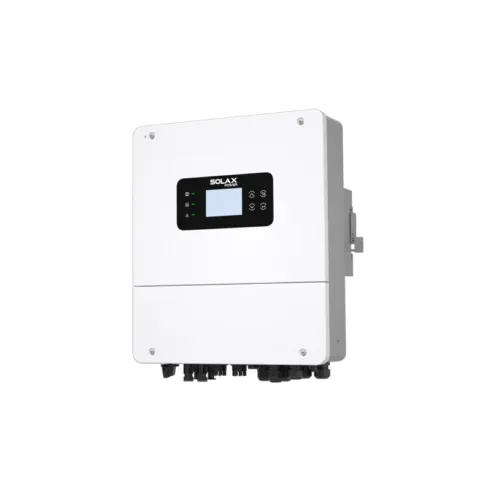
সোলাক্স ৫ কিলোওয়াট সিঙ্গেল ফেজ লো ভোল্টেজ হাইব্রিড সোলার ইনভার্টার (SREDA অনুমোদিত)
৳১২১,০০০ স্টকে আছে -
সোলাক্স
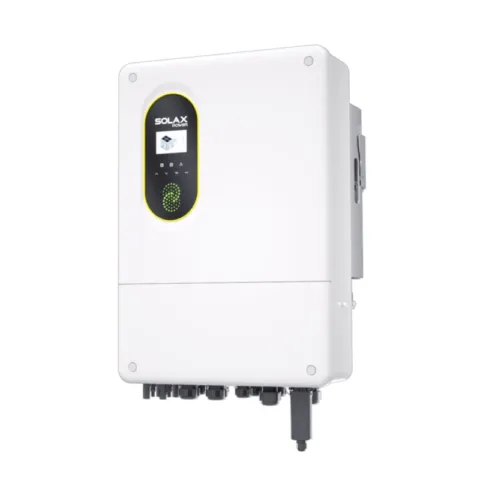
সোলাক্স ১০ কিলোওয়াট থ্রি ফেজ লো ভোল্টেজ হাইব্রিড সোলার ইনভার্টার
৳২৪২,০০০ স্টকে আছে