সংক্ষেপে উত্তর
For most homes in Bangladesh that want lower bills and load-shedding backup, a 3kW to 6kW single phase hybrid inverter from Deye or Growatt fits best. Choose on-grid if outages are rare, or off-grid for budget backup only.
On this page: Short answer · Step 1: list your load · Step 2: choose the type · Step 3: single or three phase · Step 4: pick the size · Recommendations by home · Deye, Growatt, Huawei, SolaX · SREDA approval · Features worth paying for · Worked example · Where to install · Mistakes · FAQ
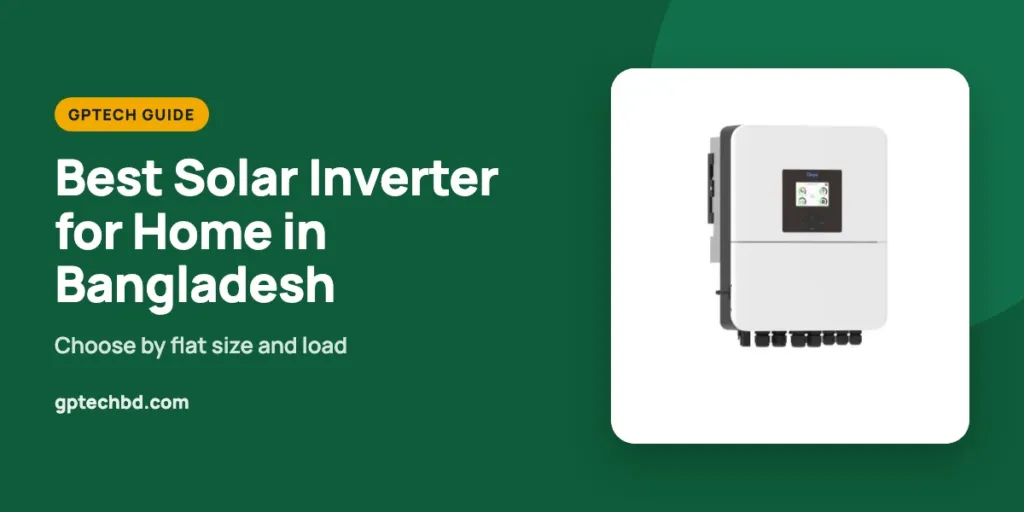
Choosing the best solar inverter for home in Bangladesh comes down to matching three things: how much power you use, whether you need backup during load-shedding, and whether your connection is single or three phase. For most flats that want both lower bills and backup, that means a single phase hybrid inverter of 3kW to 6kW, such as the Deye 5kW hybrid at ৳১২১,০০০ or the Growatt 6kW hybrid at ৳৮২,৫০০.
That said, a hybrid is not right for everyone. Some homes are better served by a simple on-grid inverter that only cuts the bill, and some by a budget off-grid inverter that only handles outages. This guide takes you through four steps to the right choice, then gives concrete recommendations for one- to four-bedroom flats and small shops, with live prices from our shop.
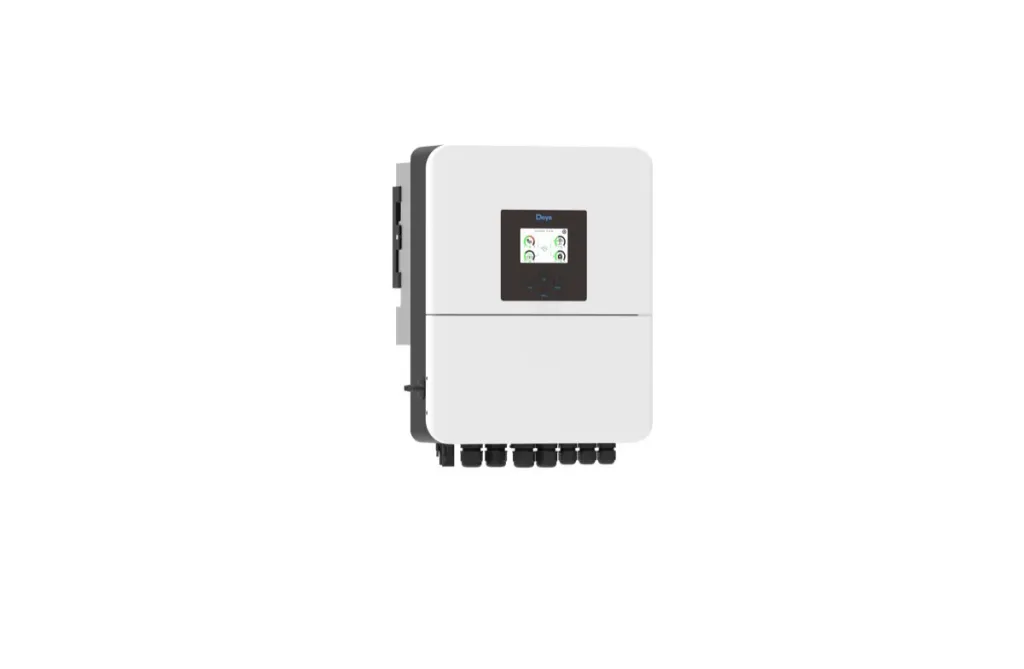
The short answer, by situation
| Your situation | Inverter type | Typical size | Example |
|---|---|---|---|
| Own the roof, want lower bills and backup | Hybrid | 3–6kW | Deye 5kW hybrid, ৳১২১,০০০ |
| Want lower bills, rarely face outages | On-grid | 2–5kW | Deye 3kW on-grid, ৳৩৩,০০০ |
| Mainly need backup, tight budget | Off-grid | 3.5–6kW | Growatt 3500VA off-grid, ৳৩৮,৫০০ |
| Large house with three phase supply | Three phase hybrid or on-grid | 8–15kW | See our three phase hybrid range |
Step 1: list your load and your bill
Everything starts with how much electricity you use and what you want to keep running during outages. Gather two things:
- Your last few electricity bills. Note the monthly units (kWh). This tells you how big a solar array would need to be to make a real dent in the bill.
- A list of backup loads. Write down what must run during load-shedding and its wattage: fans, lights, router, TV, fridge, computer, and perhaps one air conditioner.
| Appliance | Typical running watts |
|---|---|
| Ceiling fan | 70–80 W (BLDC: 30–35 W) |
| LED light | 9–20 W |
| Refrigerator | 120–200 W |
| LED TV | 50–90 W |
| Desktop PC with monitor | 150–250 W |
| 1-ton inverter air conditioner | 800–1,100 W |
| 1.5-ton inverter air conditioner | 1,200–1,600 W |
| Water pump (1 HP) | about 750 W, with a high starting surge |
A typical two-bedroom flat without AC has a backup load of 500 to 700 watts. Add one inverter AC and you are near 2,000 watts. That single decision, whether the AC must run on backup, changes the inverter and battery size more than anything else.
Step 2: on-grid, hybrid or off-grid?
On-grid (grid-tie) inverter
An on-grid inverter turns solar power into household electricity and works alongside the grid. It lowers your bill on sunny days and, with net metering, can send surplus power back to the utility. It has no battery and switches off when the grid fails, for safety. Choose it if outages are rare where you live and your main goal is a lower bill. It is the cheapest way to go solar: the Deye 1kW on-grid inverter starts at ৳২৪,২০০.
Hybrid inverter
A hybrid does everything an on-grid inverter does and also manages a battery. During the day it runs the house from solar and charges the battery; during load-shedding it switches to the battery in a fraction of a second. It is the most flexible choice for Bangladesh, where both bills and outages matter. Hybrids cost more and need a battery, but they replace an IPS completely.
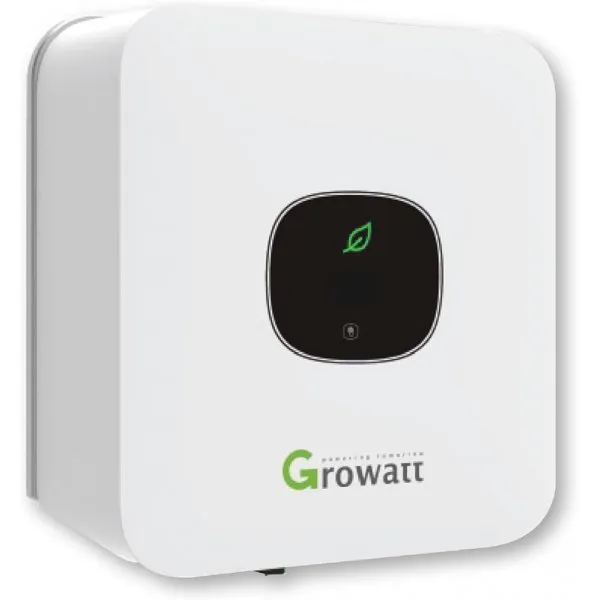
Off-grid inverter
An off-grid inverter, often sold as an “off-grid hybrid”, charges a battery from solar and the grid and runs your loads from the battery. It cannot export power to the grid, so it is not used for net metering. Off-grid inverters are the budget route to solar-backed load-shedding protection: the Growatt 3500VA off-grid inverter is ৳৩৮,৫০০ and the Growatt 5000VA is ৳৪৯,৫০০.
If you want the technical background on how these devices convert DC to AC, the Wikipedia article on solar inverters is a clear starting point. For a deeper look at the three types, read our guide to on-grid vs hybrid vs off-grid inverters.
Step 3: single phase or three phase?
Check your electricity meter or bill. Most flats in Bangladesh have a single phase connection. Larger houses, duplexes and buildings with lifts or many air conditioners often have a three phase supply.
- Single phase home: use a single phase inverter. Our single phase hybrids go up to 18kW, which covers almost any flat.
- Three phase home: a three phase inverter spreads its output evenly across all three phases. If you use a single phase inverter on a three phase home, it only supplies one phase, which can work for backing up selected circuits but is not ideal for running the whole house.
Step 4: pick the inverter size
Size the inverter to your peak load, the most you will ever run at once on backup, with some headroom:
- Fans, lights, TV, fridge and router only (500–900 W): 3kW to 3.5kW gives comfortable headroom.
- Add a computer, water pump or microwave occasionally (1,000–2,000 W): 5kW.
- Run one inverter AC on backup (2,000–3,000 W): 5kW to 6kW.
- Run two ACs or a large household (3,000–5,000 W): 8kW to 10kW, or consider three phase.
Then size the solar panels to your bill, typically 1.1 to 1.3 times the inverter rating within its input limits, and the battery to the backup hours you need. Our article on sizing a battery for your backup hours covers that step.
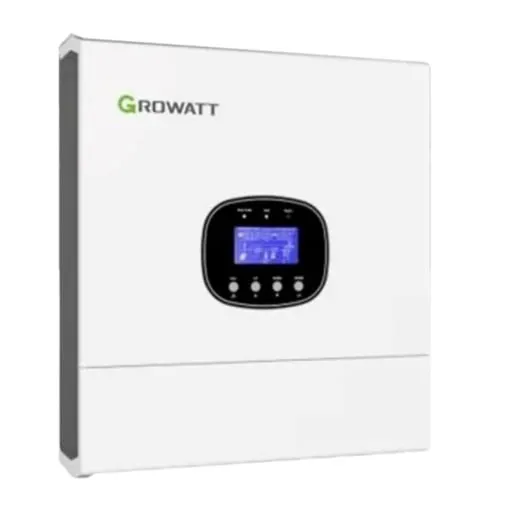
Recommended inverters by home size
These recommendations assume a single phase supply and that you want solar plus backup. They are starting points; we always check the actual load before quoting.
One-bedroom flat or studio
Backup load around 300–500 W, no AC on backup. A Growatt 3.5kW single phase hybrid at ৳৬৪,৯০০ gives plenty of headroom, or the budget Growatt 3500VA off-grid at ৳৩৮,৫০০ if you only need backup. Pair with a 2.5 to 5kWh battery.
Two-bedroom flat
Backup load around 600–900 W. A Deye 3kW hybrid at ৳১০৪,৫০০ or the Growatt 3.5kW hybrid fits well. If you might add an AC later, step up to the Deye 5kW hybrid now. A 5.12kWh lithium battery covers most evenings and outages.
Three-bedroom flat
Backup load around 900–1,500 W, maybe one AC. The Deye 5kW hybrid at ৳১২১,০০০ or the Growatt 6kW hybrid at ৳৮২,৫০০ are our usual picks. Plan 5 to 10kWh of battery depending on whether the AC runs at night.
Four-bedroom flat or duplex
Larger homes with two ACs and a pump need 8 to 10kW. The Deye 8kW single phase hybrid at ৳২৪২,০০০ or the Deye 10kW hybrid at ৳২৪২,০০০ handle this, with 10kWh or more of battery. If the home has a three phase supply, a three phase hybrid is often the better design.
Small shop or office
Shops with lights, fans, a fridge and a computer behave like a two- or three-bedroom flat. Daytime-heavy businesses benefit most from solar because their use matches the sun. A 5kW hybrid with a modest battery is a common choice.
A budget-friendly upgrade path
If the full system is more than you want to spend at once, build it in stages. Start with a hybrid inverter sized for your final needs and a smaller lithium battery, so you get backup straight away. Add solar panels in the next stage to start cutting your bill. Add a second battery later if you want longer backup or night-time AC. The key is choosing the inverter right the first time, because it is the part that is hardest to change. Every stage after that simply adds to what is already there.
Deye, Growatt, Huawei and SolaX: how they compare
- Deye: widely installed in Bangladesh, strong hybrid range with good battery compatibility and a clear monitoring app. Usually our first suggestion for a home hybrid.
- Growatt: excellent value, especially the SPF off-grid and SPE hybrid lines, with matching HOPE batteries. A good choice when budget matters.
- Huawei: premium on-grid inverters known for efficiency and smart monitoring, priced higher, for example the Huawei 5kW on-grid at ৳১২৬,৫০০.
- SolaX: compact, affordable on-grid inverters for smaller systems, such as the SolaX 3kW on-grid at ৳২৯,৭০০.
We compared the three biggest names in detail in Deye vs Growatt vs Huawei inverters.
What SREDA approval means
SREDA, the Sustainable and Renewable Energy Development Authority, maintains a list of inverters approved for grid connection in Bangladesh. If you plan to apply for net metering, your utility will expect an approved on-grid or hybrid inverter. Many of the on-grid models on our site are marked SREDA approved on their product pages. If net metering is part of your plan, choose an approved model from the start; switching later is expensive. Our guide to net metering in Bangladesh explains how the credit works.
Features worth paying for
- Pure sine wave output, standard on all quality solar inverters, for quiet fans and safe electronics.
- Fast transfer time on hybrids, so computers and routers do not restart during outages.
- Lithium battery communication (CAN or RS485), for accurate battery management.
- Two MPPT inputs, useful if panels face different directions or sit on two roof sections.
- Wi-Fi monitoring, so you can see solar production, battery level and savings on your phone.
- Generator input, on some hybrids, if your building also has a generator.
- A clear warranty with local service. An inverter is the part of a solar system most likely to need attention; see our guide to what an inverter warranty covers.
Worked example: choosing an inverter for a typical flat
Here is how the four steps work for a typical three-bedroom flat.
- Bill and load. Suppose the bills show about 350 to 450 units a month, higher in summer, and during load-shedding the family wants five fans, the lights, the router, the TV, the fridge and one 1.5-ton inverter AC in the main bedroom.
- Peak backup load. Fans 375 W, lights 120 W, router 20 W, TV 70 W, fridge 150 W and AC up to about 1,500 W: roughly 2,200 W at peak.
- Type. They own the roof, face regular outages and want a lower bill, so a hybrid is the clear choice.
- Phase. Single phase meter, so a single phase hybrid.
- Size. A 2,200 W peak with motor starting surges points to 5kW, leaving headroom, such as the Deye 5kW hybrid.
- Panels and battery. If the roof has space for about 5.5kW of panels, that covers a large share of daytime use. For the AC at night, a 10.24kWh lithium battery fits; without night-time AC, a 5.12kWh battery is enough.
The point of the example is the order of decisions: load and goals first, then type, phase and size, and only then brand and price.
Where to install the inverter
Even the best inverter suffers in the wrong place. A few rules keep it running well for years:
- Shade and air. Inverters dislike heat. Mount them on a wall out of direct sun, with space above and below for air to flow. A balcony wall with a small roof over it or an indoor utility area often works well.
- Keep it dry. Most home hybrids are rated for indoor or sheltered locations. Check the protection rating (such as IP20 or IP65) and keep rain off.
- Close to the battery. Battery cables carry high current, so keep the battery near the inverter with short, thick cables.
- Reachable but safe. You want to see the display and reach the switches, but children should not be able to play with it.
- Proper protection. DC isolator for the panels, breakers on the battery and AC sides, surge protection and good earthing.
Common mistakes when choosing a home inverter
- Buying by brand alone. A great brand at the wrong size or type is still the wrong inverter.
- Forgetting the AC question. Deciding later that the AC must run on backup usually means replacing the inverter and battery.
- Choosing an off-grid inverter and then wanting net metering. Off-grid models cannot export.
- Undersizing the battery. A big hybrid on a small battery gives short backup and works the battery hard.
- Ignoring the roof. Shade, space and structure limit how many panels you can fit, which limits how much the inverter can save you.
- Skipping proper protection. DC and AC breakers, surge protection and earthing are part of a safe installation, not extras.
Frequently asked questions
Which inverter is best for a home in Bangladesh?
For most homes that want lower bills and load-shedding backup, a single phase hybrid inverter of 3 to 6kW from Deye or Growatt is the best fit. If you only want backup on a tight budget, an off-grid inverter works; if outages are rare, an on-grid inverter is cheapest.
What size inverter do I need for a two-bedroom flat?
Usually 3kW to 3.5kW for fans, lights, TV, fridge and router. Choose 5kW if you may run an air conditioner on backup.
Can a solar inverter run an air conditioner?
Yes. A 5kW or 6kW hybrid can run a 1 to 1.5-ton inverter AC, ideally from solar during the day. Running it at night needs a larger battery.
Is a hybrid inverter better than an IPS?
A hybrid does everything an IPS does and also uses solar to cut your bill. An IPS is cheaper upfront and suits renters and small loads. Our IPS vs hybrid comparison goes into detail.
Do I need a battery with a solar inverter?
Only with hybrid and off-grid inverters. On-grid inverters work without a battery but switch off during outages.
How long does a solar inverter last?
A quality inverter usually lasts ten years or more with good ventilation and protection. Keep it out of direct sun and rain, and away from dust.
Can I use my existing IPS batteries with a solar inverter?
Sometimes, if the voltage matches and the batteries are healthy, but old lead-acid batteries usually limit performance. Most owners switch to lithium when they move to a hybrid inverter.
Can I install the inverter now and add panels later?
Yes, if the inverter is sized for the final array. Many people start with fewer panels and a battery, then add panels as budget allows.
Choosing the best solar inverter for home in Bangladesh: your next step
There is no single best brand for every home. The best solar inverter for home in Bangladesh is the one sized to your load, matched to your phase and battery, and backed by a seller who will look after it for years. Work through the four steps: list your load, choose on-grid, hybrid or off-grid, confirm single or three phase, then pick the size with some headroom. If you would like us to check your choice, send a photo of your electricity bill and your list of backup loads on WhatsApp, or call +880 1712-567878, and we will recommend the inverter, battery and panels that fit your home.
সচরাচর জিজ্ঞাসা
Which inverter is best for a home in Bangladesh?
For most homes that want lower bills and load-shedding backup, a single phase hybrid inverter of 3 to 6kW from Deye or Growatt is the best fit. If you only want backup on a tight budget, an off-grid inverter works; if outages are rare, an on-grid inverter is cheapest.
What size inverter do I need for a two-bedroom flat?
Usually 3kW to 3.5kW for fans, lights, TV, fridge and router. Choose 5kW if you may run an air conditioner on backup.
Can a solar inverter run an air conditioner?
Yes. A 5kW or 6kW hybrid can run a 1 to 1.5-ton inverter AC, ideally from solar during the day. Running it at night needs a larger battery.
Is a hybrid inverter better than an IPS?
A hybrid does everything an IPS does and also uses solar to cut your bill. An IPS is cheaper upfront and suits renters and small loads. Our IPS vs hybrid comparison goes into detail.
Do I need a battery with a solar inverter?
Only with hybrid and off-grid inverters. On-grid inverters work without a battery but switch off during outages.
How long does a solar inverter last?
A quality inverter usually lasts ten years or more with good ventilation and protection. Keep it out of direct sun and rain, and away from dust.
Can I use my existing IPS batteries with a solar inverter?
Sometimes, if the voltage matches and the batteries are healthy, but old lead-acid batteries usually limit performance. Most owners switch to lithium when they move to a hybrid inverter.
Can I install the inverter now and add panels later?
Yes, if the inverter is sized for the final array. Many people start with fewer panels and a battery, then add panels as budget allows.
সংশ্লিষ্ট পণ্য
-
সোলাক্স
সোলাক্স ৫ কিলোওয়াট সিঙ্গেল ফেজ অন-গ্রিড সোলার ইনভার্টার (X1-MINI-5K-G4-P)
৳৩৩,০০০ স্টকে আছে -
সোলাক্স
সোলাক্স ৩ কিলোওয়াট সিঙ্গেল ফেজ লো ভোল্টেজ হাইব্রিড সোলার ইনভার্টার
৳১০০,১০০ স্টকে আছে -
সোলাক্স
সোলাক্স ৫ কিলোওয়াট সিঙ্গেল ফেজ লো ভোল্টেজ হাইব্রিড সোলার ইনভার্টার (SREDA অনুমোদিত)
৳১২১,০০০ স্টকে আছে -
সোলাক্স
সোলাক্স ১০ কিলোওয়াট থ্রি ফেজ লো ভোল্টেজ হাইব্রিড সোলার ইনভার্টার
৳২৪২,০০০ স্টকে আছে